Melbourne
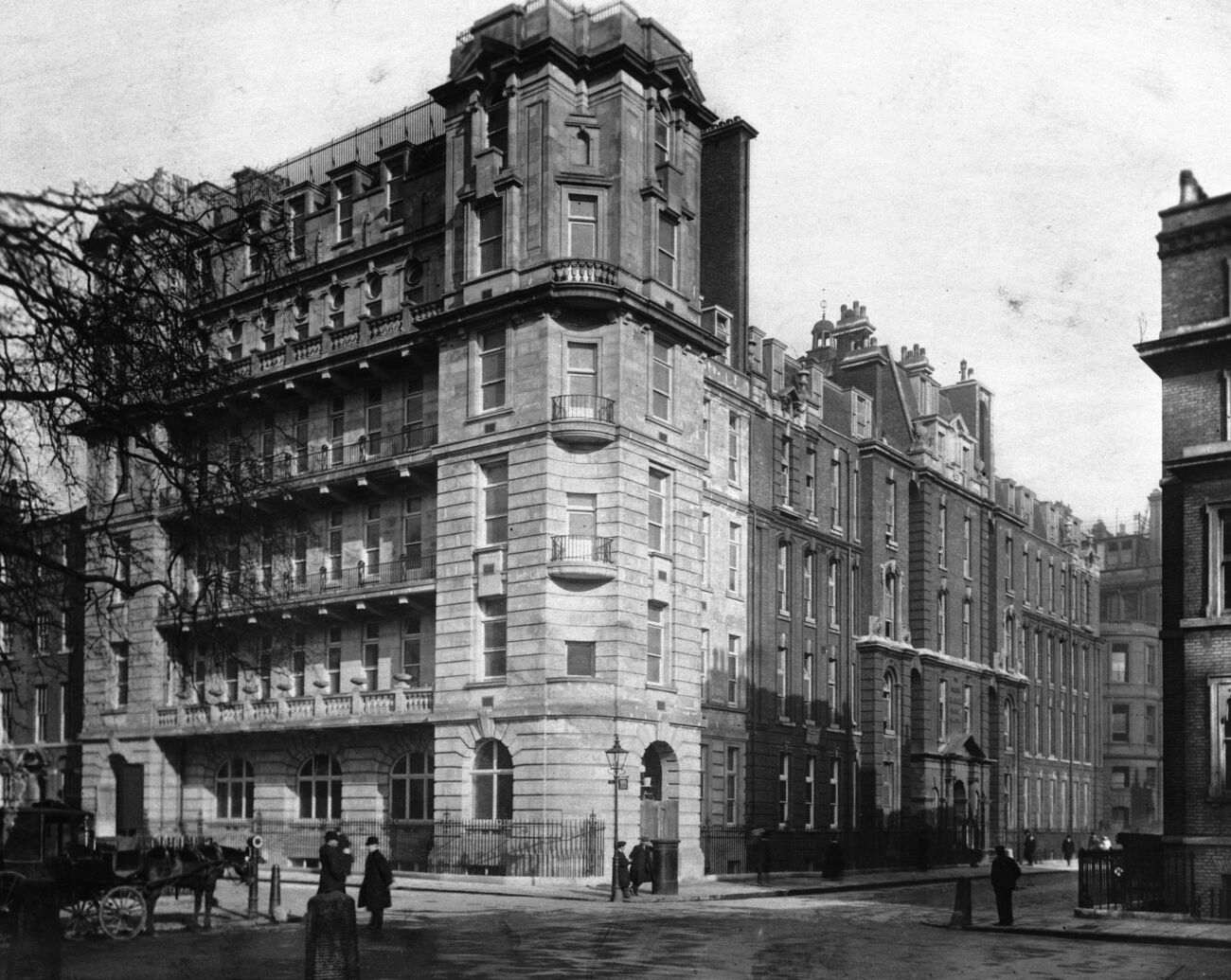
Melbourne Homoeopathic Hospital
Began as a small dispensary in 1869 and became a hospital on St Kilda Road. It was renamed Prince Henry's Hospital in 1934 and later became part of Monash Medical Centre.
Where it began, the ideas it's built on, and where it is today.
The name comes from the Greek for "similar suffering".
The key ideas
A remedy is chosen because it matches the symptoms you're experiencing.
Body, mind and emotions are looked at together, so two people with the same complaint can need different remedies.
Just enough, and no more. Doses are matched to how strong your symptoms are.
Remedies are learnt by giving them to healthy volunteers and recording what they experience. There are over 8,000 homeopathic remedies, and over 6,000 of them have been proven, with 60 to 70 used most often.
Homeopaths watch how change unfolds over time, from inside out and from the most recent to the oldest.
In homeopathic thinking, the vital force is the natural energy that keeps body, mind and emotions in balance. A well-matched remedy is a gentle nudge to help it find its way back.
What is homeopathy?
Homeopathy was developed in Germany in the 1790s by Dr Samuel Hahnemann, a doctor and translator who was unhappy with the harsh medicine of his day. It is based on the idea of "like cures like": a substance that can cause symptoms in a healthy person is used, in a tiny, specially prepared dose, to match similar symptoms in someone who is unwell.
Remedies are made from plants, minerals and other natural sources. They are diluted and shaken in stages, a process called potentisation. Rather than one remedy for one complaint, a homeopath looks for the remedy that matches the whole person: body, mind and emotions.
A short history
Hippocrates wrote that illness could be treated with opposites, or with similars.
Translating a medical book, Hahnemann tested cinchona bark on himself and noticed it produced symptoms like the fever it was used for. The idea of "like cures like" was born.
Hahnemann set out the whole method in his book the Organon, which he kept revising until his death in 1843.
Dr Constantine Hering helped found the world's first homeopathic school, in Allentown, Pennsylvania.
The London Homoeopathic Hospital opened in Soho. It became the Royal London Homoeopathic Hospital in 1948.
A homeopathic dispensary opened in Melbourne and grew into the Melbourne Homoeopathic Hospital on St Kilda Road. In 1934 it was renamed Prince Henry's Hospital.
In the United States there were around 22 homeopathic colleges and well over 100 homeopathic hospitals.
Combining several potencies of one remedy in a single bottle was presented at an international homeopathic congress in London, likened to a musical chord.
Homeopathy is practised around the world, from Europe to India, where it is one of the country's recognised systems of medicine.
Homeopathic hospitals
For much of the 1800s and early 1900s, homeopathy had its own hospitals, schools and pharmacies.
Melbourne
Began as a small dispensary in 1869 and became a hospital on St Kilda Road. It was renamed Prince Henry's Hospital in 1934 and later became part of Monash Medical Centre.
London
Opened in 1849, moved to Great Ormond Street in 1859, and was given its "Royal" title in 1948. Today it is the Royal London Hospital for Integrated Medicine.
United States
Founded in Philadelphia in 1848 as a homeopathic medical college. By around 1900, America had about 22 homeopathic colleges and over 100 homeopathic hospitals.
Did you know?
Over 200 years on, homeopathy is still part of everyday health care for millions of people.
Registered with the government, where homeopathy is one of the country's official systems of medicine.
Plus more than 8,500 homeopathic dispensaries and 277 teaching colleges.
After a public vote, Swiss basic health insurance covers homeopathy given by medical doctors.
US President William McKinley attended the unveiling of a bronze memorial to Hahnemann in Washington DC. It still stands today.
Homeopathy today
In Australia, homeopaths train through specialist colleges and belong to professional bodies with their own codes of conduct. Homeopathy is a complementary approach that looks at the whole person, and it sits happily alongside any other care you choose.
At Vibe Homeopathy, consultations are online, Australia-wide, and every remedy plan is made for you.